
Ipoustéguy, as seen by
Bertrand Tillier, “Ipoustéguy, the laws of scvlptvre”
In one of the texts Francis Ponge devoted to the work of Germaine Richier, entitled “SCVLPTVRE,” Francis Ponge noted the unpronounceability of “this word of lightning created in memory of the first fulguration,” whose very spelling places it among those words which, invented for eternity, “found themselves at once engraved on the stone tablets of the law.”
Michaël Lipp: “The Work of Ipoustéguy”
In Lyon, at the center of the square, stands the statue of Louise Labé in a balanced pose. The power of her intellect elevates her above earthly conditions. Caught in helical coils, reminiscent of the figura serpentina, she emerges from the block of earth through an upward movement. The composition contrasts a shaded side with an illuminated side.
Michel Troche: “Impregnable Ipoustéguy”
“In the work here, there is no claim to knowledge, no claim to correct analysis… other than having seen you and restituting the unknown, the enigma, within your own understanding.” I find this reflection by Ipoustéguy exceptional—toward himself, toward his work, and toward art itself. It excludes no one, no concept, from the task at hand. Like an alchemist—though of the ars magna—or a night watchman, Ipoustéguy restores what is perpetually taken away; he offers no exotic or grandiose treasure from a world outside ourselves. The captured instant, the irreversible space, the daily vision, the everyday word—what flashy accessory, what gimmick, what picturesque detail could miserably compete with their incredible presence? And where, if not within our own understanding, could we rediscover the lost object, the unknown, the enigma, the continuous attraction that is withdrawn from our desire? “There is no recipe to beautify nature; it is only a matter of seeing,” declared Rodin.
Théophile Choquet: “The Call to Sculpture”
[Scene: A sculptor's studio. Perhaps Ipoustéguy’s.][When the audience enters, the actor is already on stage. He is warming up with a series of large, sweeping movements, breathing hard.]ACTOR: I sculpt because it is the only activity where I don't feel like a coward. Stone, wood, and plaster refuse to lie. The act of sculpting brings me to a state of truth, of full awareness. Total awareness. And this state—a state of both mind and body—is unique. If you are an artist, you have to seek this extreme sincerity at all costs. Which means you have to be prepared to risk... [He performs a rapid, improvised movement]...to take risks. More than any other art form, sculpture leaves little room for chance or doubt. There always comes, sooner or later, that moment when the block of marble or wood can crack and shatter if you are not careful. But the good sculptor is also the one who knows precisely how to carve the material to the very limit of its resistance, until it can bear almost no...
Mady Ménier: “Ipoustéguy”
It was only from 1949 that he devoted himself fully to sculpture. Adam made its mark at the Salon de Mai in 1956. La Rose (plaster, 1 m high), in which a hand encloses emptiness, is a prophetic work—yet it went completely unnoticed. Like all artists of his generation, Ipoustéguy felt the pull of Abstraction, and above all, of Brancusi. A journey to Greece in 1962 proved a pivotal step. Ipoustéguy then created large figures, either alone (Le Torse, 1962; L’Homme, 1963) or in dialogue with a site (Le Discours sous Mistra, 1964, and the famous Alexandre devant Ecbatane, 1965, executed first in expanded polystyrene, then in cast iron).
Walter Lewino: “The Work of Ipoustéguy”
In 1958, Ipoustéguy met the man who, along with Lesbounit and in a very different register, would matter most in his career: Claude Bernard, the dealer from Rue des Beaux-Arts. Dealers are what they are, and it is fashionable to sneer at their motives and denounce their schemes. Claude Bernard, a wealthy bourgeois, a dandy and music lover, more sensitive than intellectual, more playful than calculating, was able to sense Ipoustéguy’s genius and respect the journey of a man whose life experience was so far removed from his own.
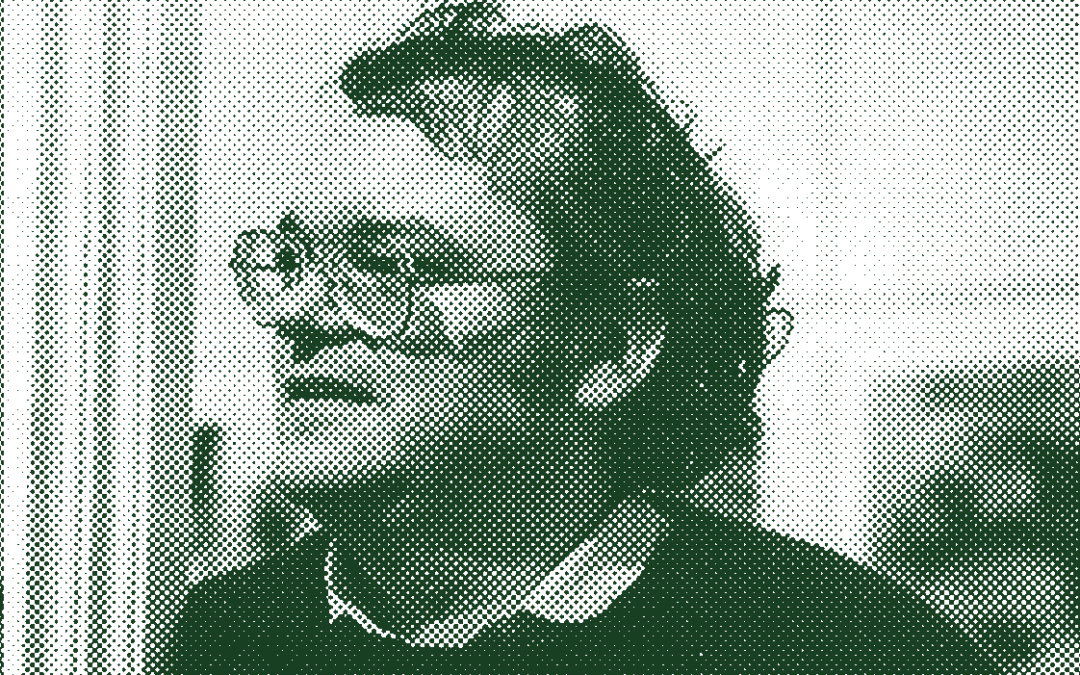
Dieter Ruckhaberle
Dieter RuckhaberleCritique d’art L'expérience qui nous meut à la lecture d'Ulysse de Joyce - c'est exactement cela - ou encore celle de l'homme sans qualités de Robert Musil, c'est ce qui nous meut à la rencontre de l'œuvre d'Ipoustéguy. Ce n'est pas l'affaire de tout le monde. Chacun n'a pas été touché au cœur par «la terre» et par «l'homme», présentés à l'occasion de la troisième Documenta à Kassel. L'émotion profonde émanant d'une œuvre d'art qui d'abord se propage dans les ganglions des appréciateurs de l'art, et qui souvent seulement se propage après des années et des décennies, souvent même après la mort de l'artiste seulement quand la haine des pénibles inébranlables s'épuise dans le nil nisi bene - cette émotion profonde est rare. Ecbatane à Berlin sur l'avant-place de Centre International de Congrès, c'est une grande victoire. La découverte de la réalité et sa connaissance ne se font pas sans outils tels que télescope, microscope, béquilles, chaises roulantes, escaliers,...
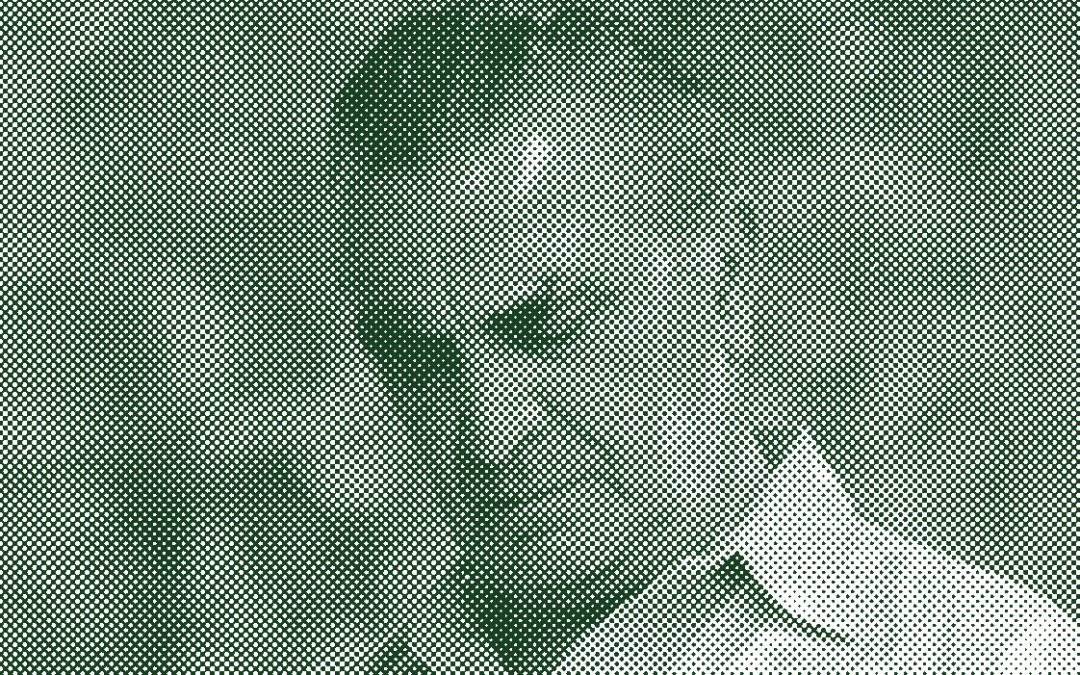
Luigi Carluccio, “Jean Ipoustéguy”
Here is an artist who strikes us from the very first encounter, yet is himself hard to grasp; for while it is true that we can immediately sense the greatness of his intentions and the force with which he manages to project a formal presence of the absolute, he offers us few stylistic references capable of encompassing, in a logical sequence, the continuity of his approach.
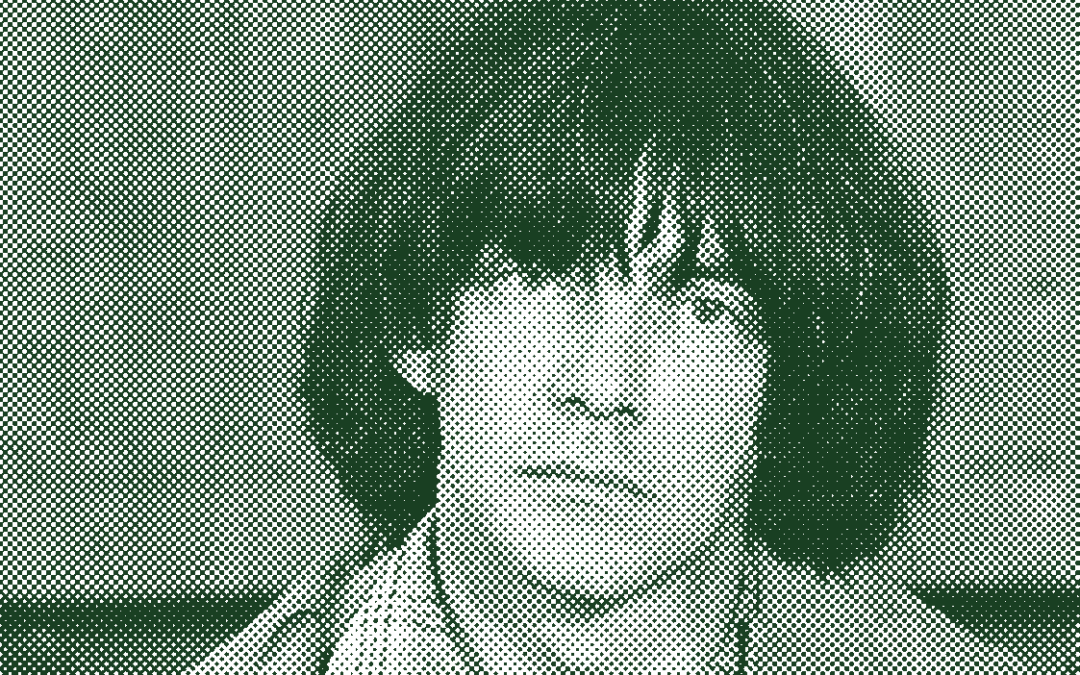
André Glucksmann
Perched, observing, you contemplate time, the motion of a back, in its effect inclined like wheat bent by the wind.
(Ipoustéguy is speaking here—there is no blood. Blood exists only at birth; that’s a fundamental rule. The homicidal gesture is purified, it is a tragedy, not a bourgeois drama.
The father’s face is not directly visible—where is it? Yet the face (or the visage?) of the black death watches us with all its eyes.)
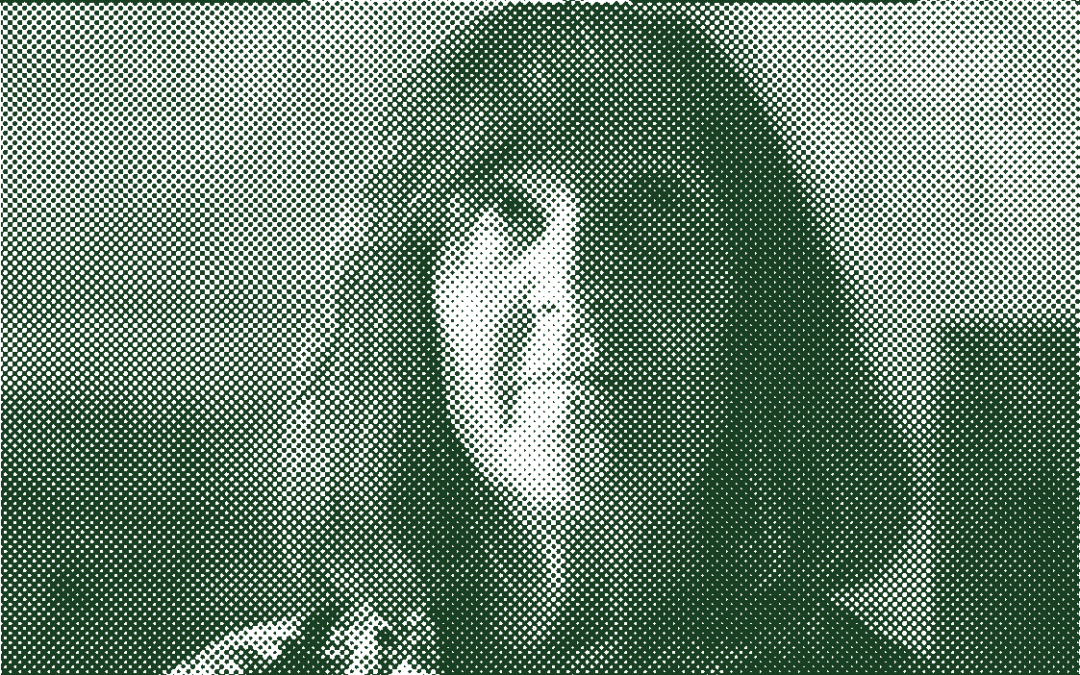
Évelyne Artaud
Allow me to follow this line which, becoming in sculpture a bundle of lines, develops a plurality of viewpoints that puts us simultaneously in motion, but also in question—hence the curling of the question mark. The effect of this line curling through space is a deployment of energy: this conception of volume, of sculpture as an opening onto a multiplicity of perspectives, brings me back to your formulation: “Never the straight line, always on the edge of the straight line.” Should this be understood as a constant openness to the virtual, to what does not yet exist but must not be consigned to nothingness, because it must remain a perpetual possibility? Could this be the secret of your astonishing energy, your continual invention, your youth?
Raymond Mason
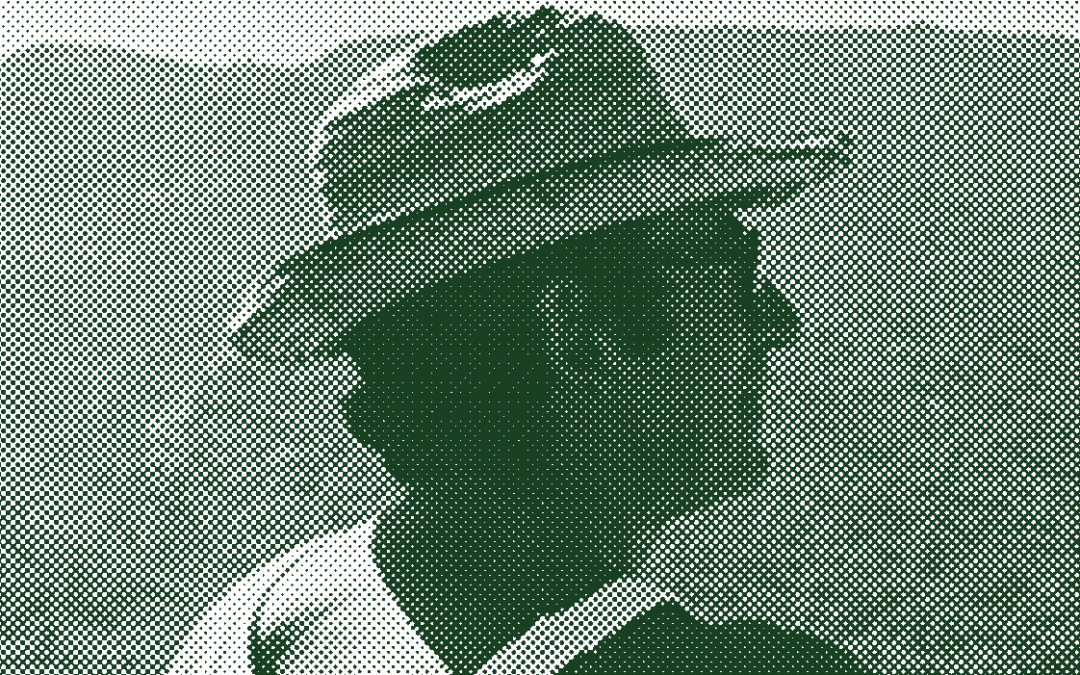
Jean Ipoustéguy died on Wednesday, February 8, 2006, at the age of 86, and with him passed an entire chapter of the fiercely solitary endeavor that was the life of a sculptor. I knew him well, and I wish to pay tribute. This is a personal desire; he had no need for it. His career was marked by years of great renown, and he had been awarded the Grand Prix National for the Visual Arts.
Flavio Arensi: “The Present of Ipoustéguy”
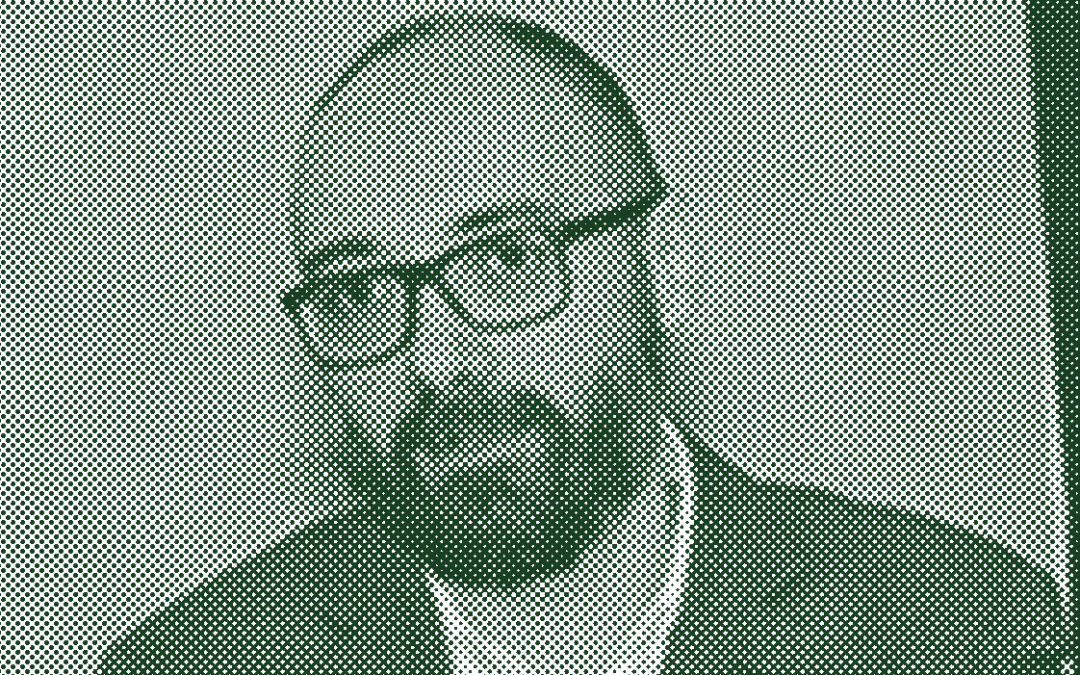
Today, the difficulty of presenting Ipoustéguy (1920–2006) may be linked to the very crisis of sculpture itself, if we take the word “crisis” in its etymological sense of a decisive turning point, and if we understand sculpture as the practice of creating an object to situate it within an environment. The challenge arises from the complication of defining certain terms and clarifying the gap between their past meanings and the sense each now carries: nothing is more misleading than the use of identical words covering different notions—especially since sculptural installations increasingly replace mere occupation of space with active participation, shifting the focus from the object itself to the space it occupies. Kurt Schwitters’ (1887–1948) attempt to integrate material into space in the Merzbau in Hanover, from the 1920s to the late 1930s, attests to the first conceptual urgencies regarding the progressive spatial assertion of the sculptural product—an issue Ipoustéguy also engages with, perhaps in more architectural terms, yet never truly abandoning the presumption of sculpture as a craft, in its authentic sense of creating a work of art.
Françoise Monnin: “Monumental Ipoustéguy”
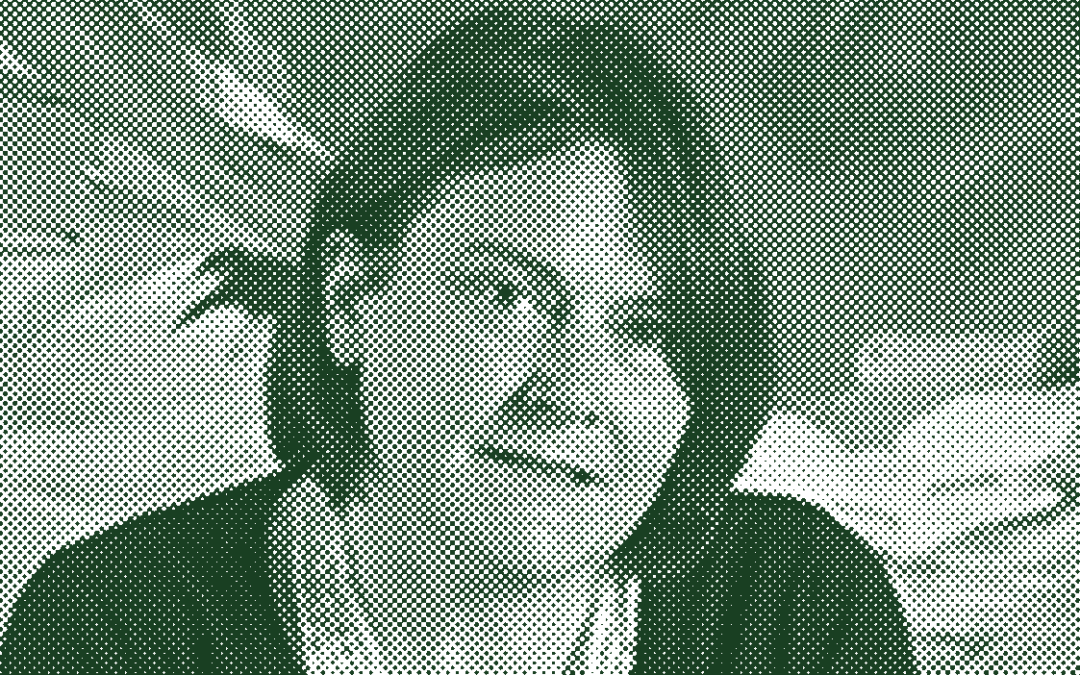
“It’s heavy stuff”: that is often the familiar expression that comes to mind at the mention of Ipoustéguy. Indeed, the monuments this master scattered from the United States to Japan, Germany, and notably France, first strike by the ambition of their dimensions—sometimes 20 meters—and by the sheer power of the figures on display.
Pierre Gaudibert: “Sequence Shot”
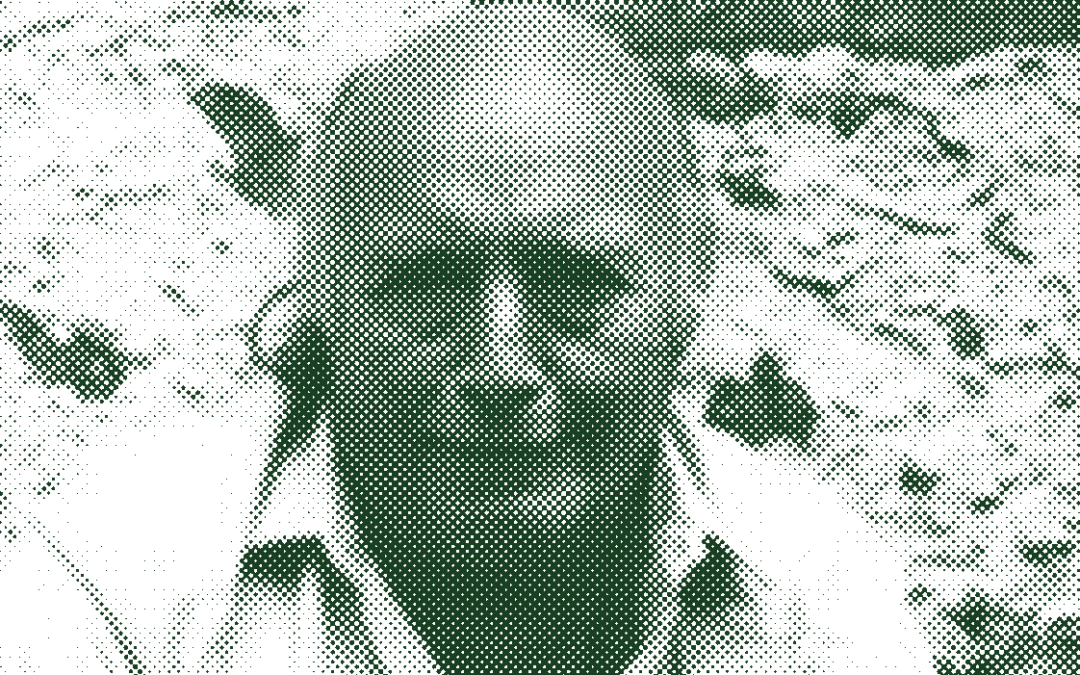
In 1978, the year of Ipoustéguy’s fifty-eighth birthday and his major (provisional) retrospective in Paris, what constitutes his intimately linked human and artistic personality? Let us draw on all possible approaches—written or oral—from the intermittent but decisive exchanges with him since the 1960s.This very strong personality—well-structured despite anguish and emotional fragility—is a blend of restrained passion and reserved demeanor, a cocktail of fierce toughness and generous tenderness, a symphony of precision, humor, and simplicity. He knows he is shy, but he is just as he is: unconcerned about pleasing or displeasing, keeping his outspokenness and his frank demeanor, mastering his withdrawals as well as his "sorties." He withdraws to preserve his inner self, his “inviolable entity,” to protect himself; he thus masks his secret core of pride (“the proud red blood of the modest”). He says of himself: “I'm willing to be discreet, but I'm not modest,” and he succeeds...

Alain Bosquet: “Ipoustéguy the Great: Rupture, Cracks, Fissures”
Whether it offends welders of scrap metal, molders of plaster figures, weavers of fabrics, pyromaniacs of matter, scavengers of garbage, machinists who operate sighing, spitting, or groaning mechanisms, engineers of real and fake semaphores, collectors of beams, or ragpickers—there has been only one great sculptor in France for the past quarter century: Jean Ipoustéguy.
John Updike, The Vital Push
Jean Ipoustéguy, born in Dun-sur-Meuse in 1920, may be the most important living French sculptor, yet he remains little known in the United States. Two of his major bronze statues, David and Goliath and Homme passant la porte, are permanently displayed among the sculptures in the Hirshhorn Museum Garden in Washington, D.C., and three marble works were part of the museum’s fiftieth-anniversary exhibition at the Guggenheim. Yet the striking sound of his name does not resonate beyond professional art circles, and his only solo exhibition in the United States took place in 1964 at the Albert Loeb Gallery.