
André Glucksmann
Perched, observing, you contemplate time: the operation of a back, curving like wheat bent by the wind.
(Ipoustéguy speaks: “There is no blood—blood is only for birth, that is the great rule. The homicidal gesture is cleansed; this is a tragedy, not a bourgeois drama. The father’s face is not directly visible; where is it? Conversely, the face of black death sees us with all its eyes.”)
Know this: the metal is present, a cadaverous resemblance of the father, at Arnoust et Moreau on Rue Popincourt, just as his son, a sculptor, took the cast of his head upon a deathbed. A debt paid, born of an astonishment that understood that it did not understand; from father to son, from worker to “Artist”—“Is your business still going well?”—the promise was born: I will make you into a Pope.
Read the imprecation, for Ipoustéguy’s raw material is not space, but time—the time of one who has come of age. You cannot help but become an adult to a barricaded child. You order events—father, son, grandfather—in the line of a “history.”
“He closes the book—blows out the candle—with his breath that contained chance; and, crossing his arms, lies down on the ashes of his ancestors. Crossing his arms—the Absolute has disappeared, in the purity of his race (for it must, since the noise ceases).”
“Immemorial race, whose time, having weighed heavy, fell excessive into the past, and which, full of chance, lived then only of its future.” (Mallarmé, Igitur)
Available for consultation at the MacVal documentation center
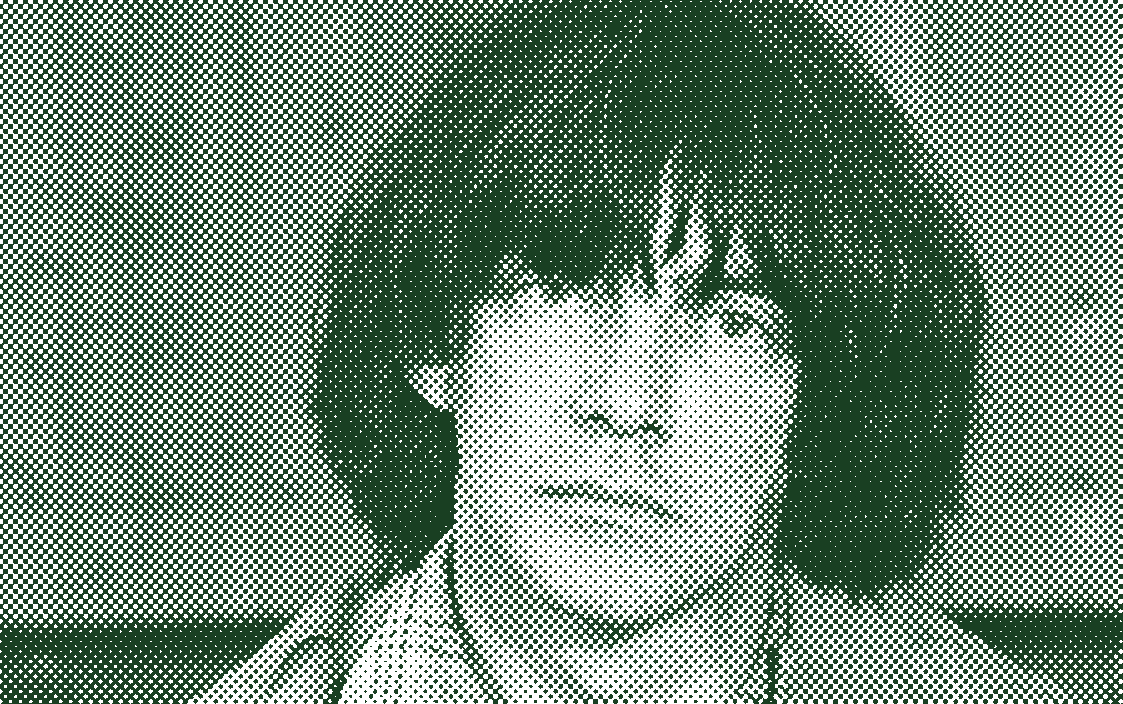
André Glucksmann
Philosopher and friend Excerpt from the Galerie Claude Bernard catalog, 1968, Paris